Why your vinyl barcode matches several pressings, and what to check next
A vinyl barcode search can leave you with several possible releases because the product number doesn't establish every detail collectors use to distinguish editions. Check what differs between the results, then inspect that detail on your copy. Scanning the same sleeve again won't reveal the markings inside it.
Look for the detail that separates the candidates: a label layout, packaging change or runout inscription. That gives you a specific check to make on the copy in your hand.
What the barcode actually identifies
The number carried by a standard retail barcode is a product identifier. GS1, the organisation responsible for the GTIN system, defines those identifiers around items that businesses price, order and invoice. Its GTIN explanation describes that commercial purpose.
A product identifier alone is different from a production-batch identifier or an individual serial number. GS1's traceability standard explicitly separates those levels. A retail barcode can identify the product without identifying its manufacturing batch.
Discogs, meanwhile, distinguishes releases through physical evidence, including differences in artwork, format and manufacturer. Its unique-release rules also make clear that a changed barcode or matrix doesn't automatically require a separate entry. The relationship between a product code and a database release isn't a simple one-code, one-edition rule.
Barcode search is still a quick route to relevant releases. The physical checks finish the identification.
When several results look identical
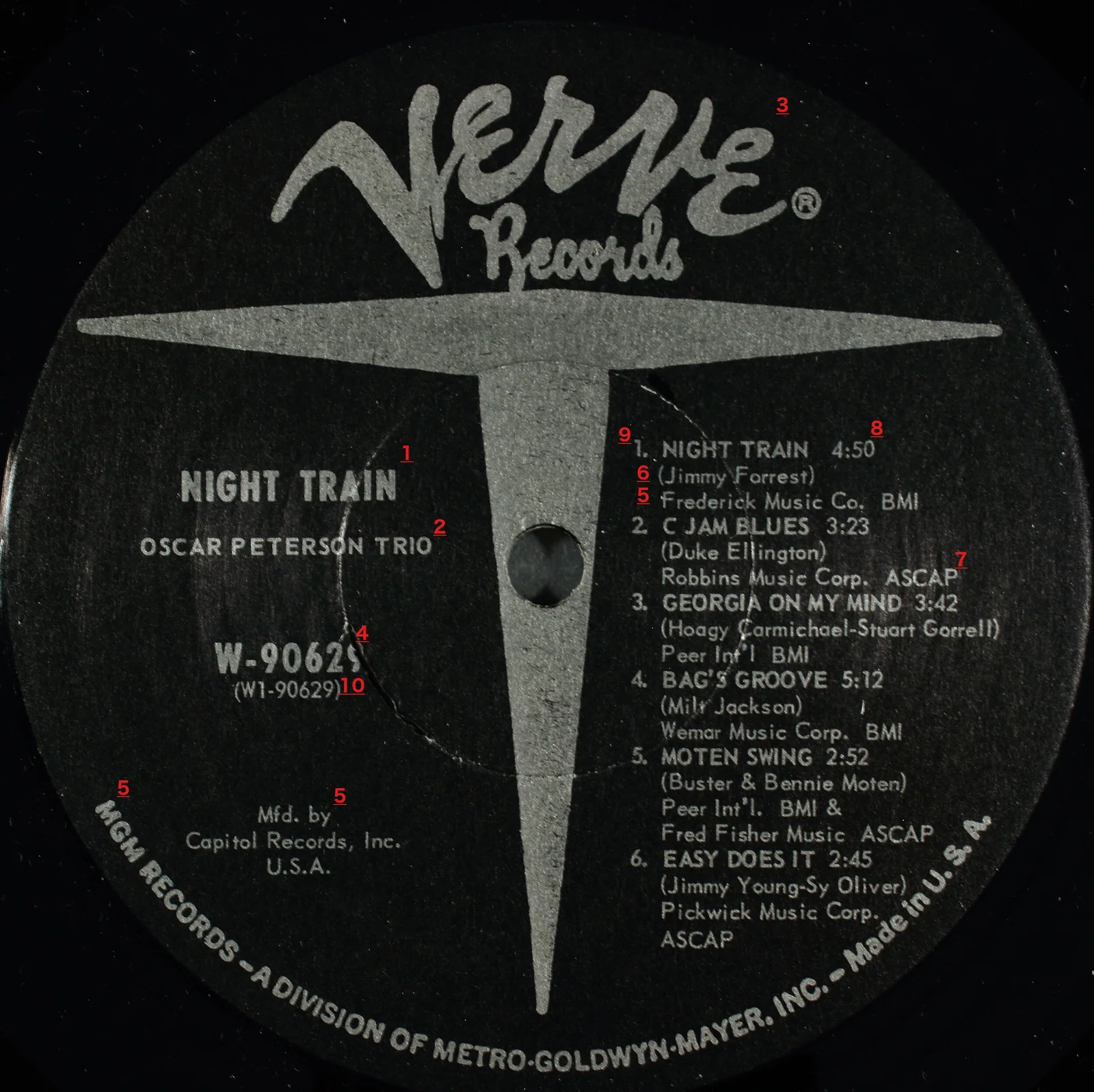
Open the closest candidates and compare their notes before reading every credit. Look for the difference the entries are trying to document. If one describes a different centre label, inspect your label. If one describes a different runout, inspect the record. Check the claimed distinction against images where available.
A fictional three-result search shows how to narrow the choice:
| Candidate | Matching information | Detail that could settle it |
|---|---|---|
| A | Same title, barcode and black vinyl | Three lines of label rim text; side B ends B-1 |
| B | Same title, barcode and black vinyl | Four lines of label rim text; side B ends B-1 |
| C | Same title, barcode and black vinyl | Four lines of label rim text; side B ends B-2 |
First count the lines on your label. Then compare side B with the surviving possibilities. You have turned three similar covers into two concrete checks.
If you cannot find any distinguishing information, do not invent it from the release years or the order of the search results. Keep the candidates in a note and identify the missing evidence. The database may not yet provide enough detail to settle your particular copy.
For the physical technique, use the guide to reading deadwax. You don't need to decode every symbol before comparing a transcription.
When the scan finds nothing
First establish whether the scanner read a number. A camera that cannot read the bars and a database that cannot find the number are different problems.
Try typing the printed digits yourself. Include digits set slightly outside the main bars, and check the beginning and end carefully. Photograph the barcode before moving on, so later searches use the same evidence.
Next, search the artist and catalogue number without the barcode. Discogs itself warns in its Android search guide that some releases have no barcode data entered. A failed barcode lookup therefore doesn't demonstrate that the release is absent.
If you find a promising entry this way, inspect it normally. Don't assume it is wrong solely because the barcode section is incomplete, and don't assume it is right solely because the cover matches. Save your barcode photograph alongside the other evidence.
There is no need to assign an age to a record just because it lacks a barcode. Use the broader pressing-identification workflow and start with the information it does carry.
When there is more than one barcode on the package
Note where each code appears: printed on the sleeve, attached to shrink wrap or placed on a shop label. Search them separately and keep that location in your notes. Do not peel off a sticker simply to complete the search.
Discogs allows sticker-derived identifiers to be recorded with their source described, and says different data on stickers added after manufacture do not alone establish unique releases. See its sticker-information rule.
For your own identification, ask what each code helps you establish. A sticker that names the artist and edition supplies a claim you can check. A shop stock label may offer little help outside that shop. Neither excuses a contradiction between the record and the candidate page.
Keep the source of each number in your notes. A shop's stock code and the release's printed barcode answer different questions.

When one result appears to solve everything
One result deserves the same physical check as several results. Search-result count tells you how many matches the search returned, not how many matching editions could exist.
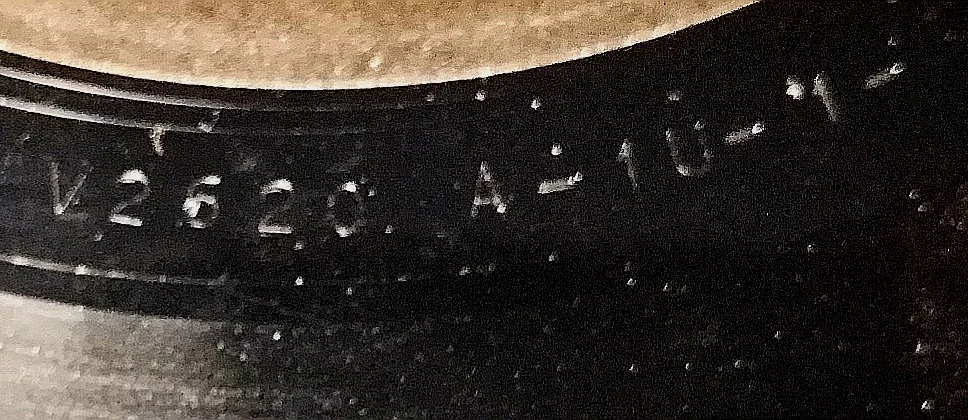
Before adding the release to your collection, compare at least the format, catalogue number and the distinguishing details in its notes. For an opened record, include the runouts where they are relevant. For a sealed record, record the visible evidence and acknowledge what you cannot inspect without opening it.
If you're buying a specific edition, ask the seller for the detail that separates it from the alternatives. A clear photograph of the label or a transcription of both runouts is more helpful than asking, “Are you sure this is the right one?”
Record the result as matched, likely or unresolved, and give the reason. That small note is especially useful before estimating the record's value. Choosing a convenient barcode result now can turn into a much less convenient conversation when you come to sell it.